A tyre should be replaced once it reaches ten years from the date it was made, however much tread it has left. From five years on, have it checked by a professional at least once a year, because rubber can age and crack long before the tread wears out.
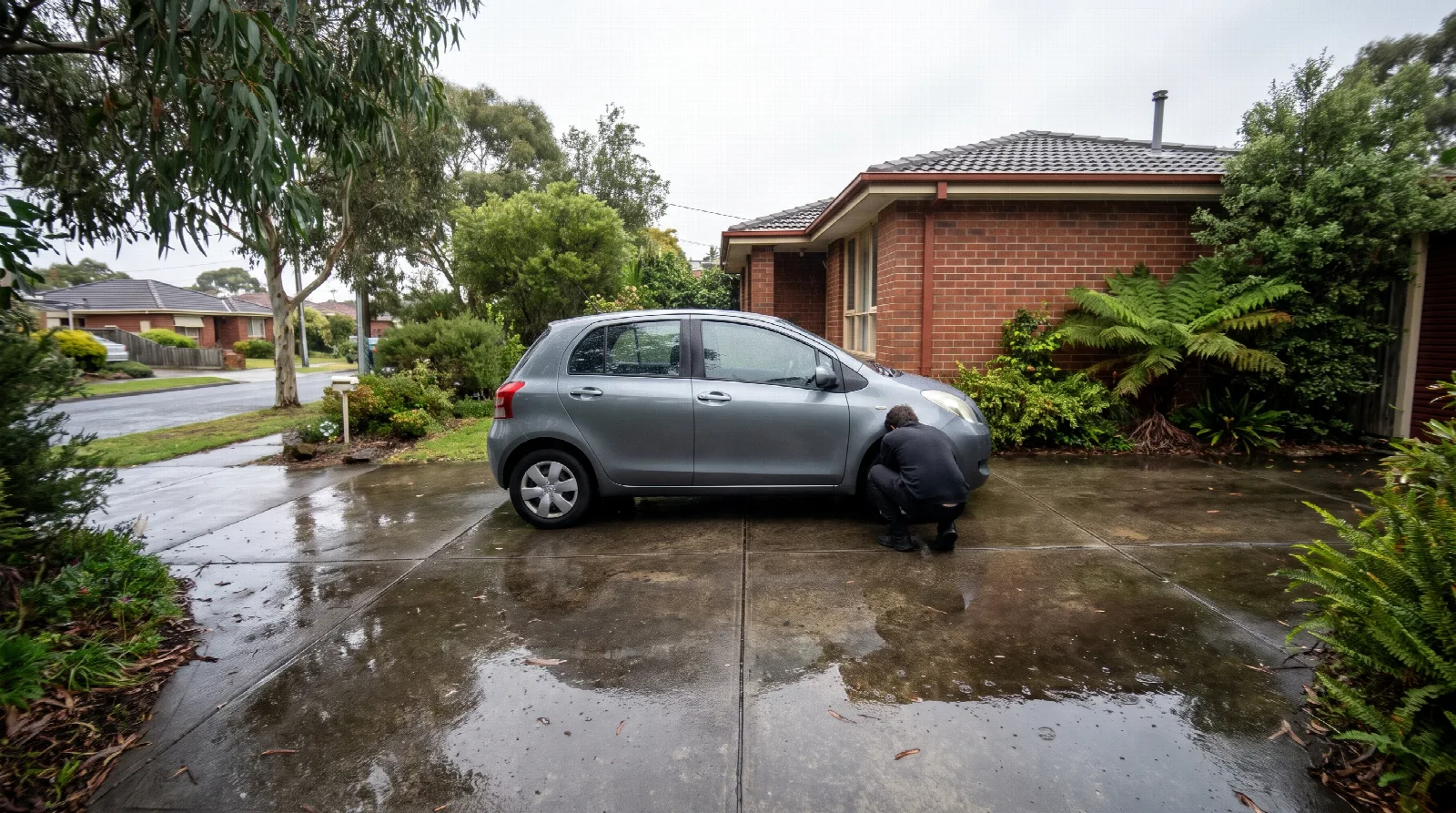
The good news is that working out your tyres' age takes less than a minute. Every tyre carries its build date on the sidewall, and once you know where to look you can check all five, the spare included, in your driveway.
Why tyres age even when they look fine
A tyre is made of layers of rubber compounds, fabric and steel belts bonded together. Over time the rubber slowly loses the qualities that make it grip and flex. It hardens, and the bond between the rubber and the steel belts weakens. Put that tyre under load at highway speed and fine cracks can form, some on the surface and some hidden inside the tyre where you cannot see them.
That is why age matters separately from tread depth. A car that only does short trips around town might take many years to wear its tyres down to the legal limit. By then the rubber can be well past its best, with less grip in the wet and a higher chance of failing under load, even though the tread still looks healthy.
How to find the date code on your tyre
Look along the sidewall for a string of letters and numbers that starts with DOT. This is the tyre's identification number, and the date is the last four digits:
- the first two digits are the week of the year the tyre was made;
- the last two digits are the year.
So a code ending in 1524 means the tyre was made in the 15th week of 2024. A code ending in 4419 means the 44th week of 2019, which makes that tyre about seven years old now.
If you cannot find the four digits, check the other side of the tyre. The full code is sometimes printed on one face only, which can be the face pointing in towards the car. A torch and a quick wipe of the sidewall help a lot.
How old is too old?
Here is the guidance most tyre makers and tyre professionals in Australia follow:
| Tyre age | What to do |
|---|---|
| Under 5 years | Keep up your normal checks: pressures every few weeks, tread depth and a look for damage. |
| 5 years and over | Have the tyre inspected by a qualified tyre professional at least once a year, as well as your own checks. |
| 10 years | Replace it, whatever the tread depth or how it looks. |
Most tyres wear out well before they turn ten. The ten-year mark is a ceiling, not a target. If your car's owner's manual gives a shorter replacement interval for its original tyres, follow the manual.
Signs an older tyre needs replacing now
Whatever the date code says, replace a tyre sooner if you notice any of these:
- fine cracks in the sidewall or between the tread blocks;
- a bulge or blister on the sidewall;
- a tyre that keeps losing air with no puncture you can find;
- new vibration, a wobble or extra road noise you did not have before;
- tread close to the legal minimum of 1.5 mm. Our guide on checking tread depth shows the quick ways to measure it.
Any one of these is a reason to have the tyre looked at straight away rather than waiting for your next service.
Don't forget the spare
The spare is often the oldest tyre on the car. It can sit in the boot for the life of the vehicle and only come out on the worst day, after a puncture at night on a busy road. Check its date code along with the other four. If it is close to ten years old, or cracked from years under the boot floor, replace it so it is ready when you need it.
The same goes for a second car that rarely gets driven, a caravan or a trailer. Low kilometres do not slow ageing, so a near-new looking tyre on a car that sits in the garage can still be too old.
Choosing replacements
When it is time to replace, match the size on your car's tyre placard, then choose a tyre that suits how you drive. A few everyday options in common sizes:
- Touring for small cars and SUVs. Kumho's Ecowing ES33 comes in sizes such as 205/55R16 and 225/65R17.
- Everyday value for hatches and sedans. Landspider's EuroTraxx H/P suits commuters in popular sizes like 205/55R16.
- Touring for larger cars. The Rapid Eco819 comes in 17-inch sizes such as 215/55R17.
- SUV highway tyre. Roadking's Argos H/T suits SUVs that spend nearly all their time on sealed roads, in sizes like 225/65R17.
When the new tyres arrive, a local workshop or mobile fitter near you can fit and balance them. Use find a fitter to see who is close to you.
Common questions
Do tyres have an expiry date?
Not a printed one, but they do have a build date. Count from the four-digit date code: have the tyre inspected every year from five years on, and replace it at ten years whatever its condition.
Can I check the age of new tyres before they are fitted?
Yes. Ask for the date code before fitting, and check it on the sidewall yourself once they are on. The age guidance above counts from that build date, so it is worth knowing from day one.
My tyres have plenty of tread but are eight years old. Should I replace them?
Not automatically, but have them inspected now and every year after that. If the inspection finds cracking, bulges or hardened rubber, replace them. Otherwise plan on replacing them before they turn ten.
Does the spare tyre count?
Yes. A spare ages at the same rate as the tyres on the road, even if it has never been used, so check its date code too.